Siding Replacement Cost by Home Size: A Complete Price Breakdown
When it comes to determining the cost of siding replacement, several key factors come into play. Understanding these factors can help homeowners budget effectively for this home improvement project.
The quality of the siding material you choose can significantly impact the overall cost of replacement. High-quality materials, such as fiber cement or natural wood, tend to be more expensive upfront but can offer better durability and longevity. On the other hand, vinyl siding is a more budget-friendly option but may require more frequent replacement.
Investing in premium materials can lead to cost savings in the long run by reducing the need for frequent repairs or replacements.
The size of your home is another crucial factor that influences the cost of siding replacement. Larger homes require more materials and labor to complete the project, leading to higher overall costs. Additionally, the complexity of the home’s design, such as the number of corners, windows, and doors, can also impact the cost.
It’s essential to consider the square footage of your home and any unique architectural features when estimating the total cost of siding replacement.
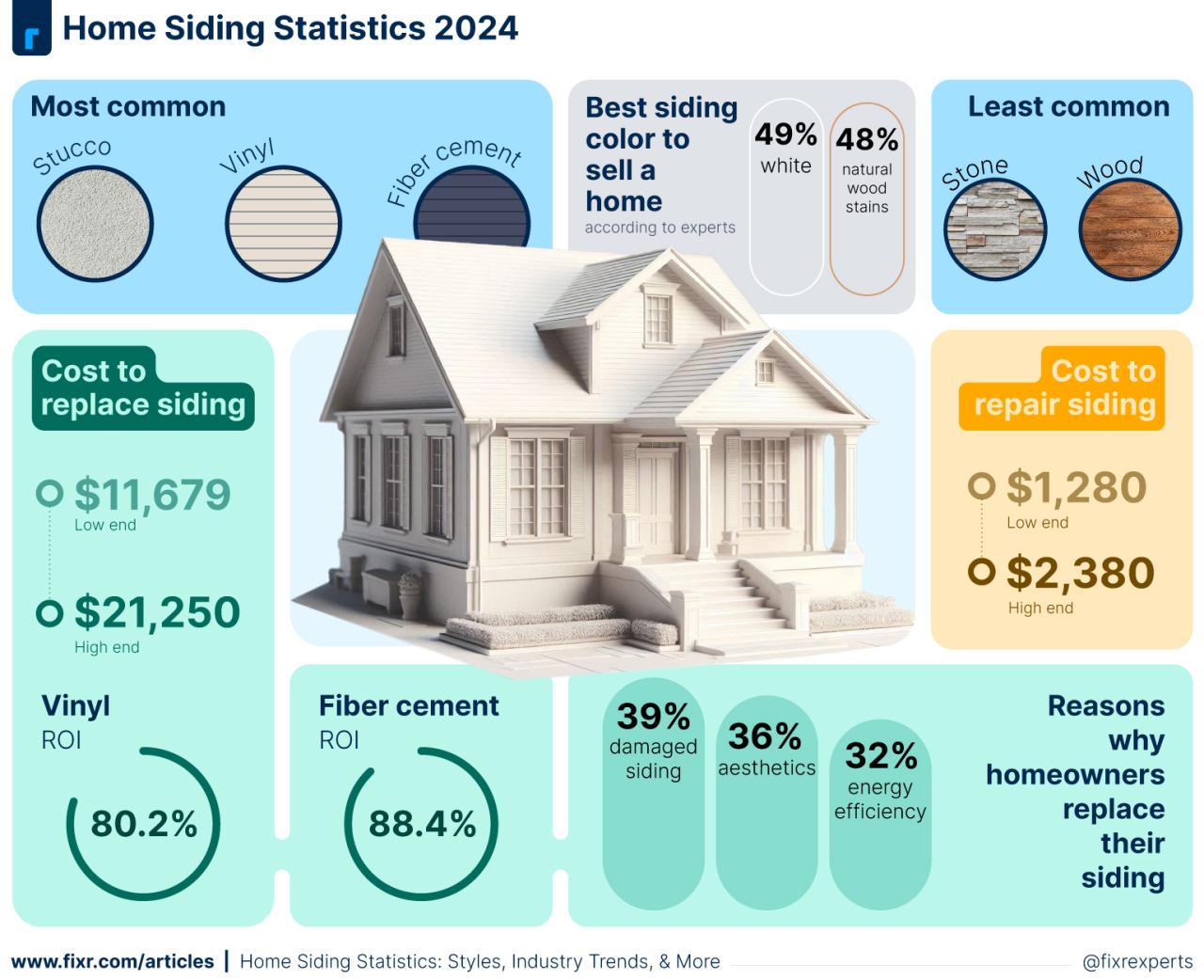
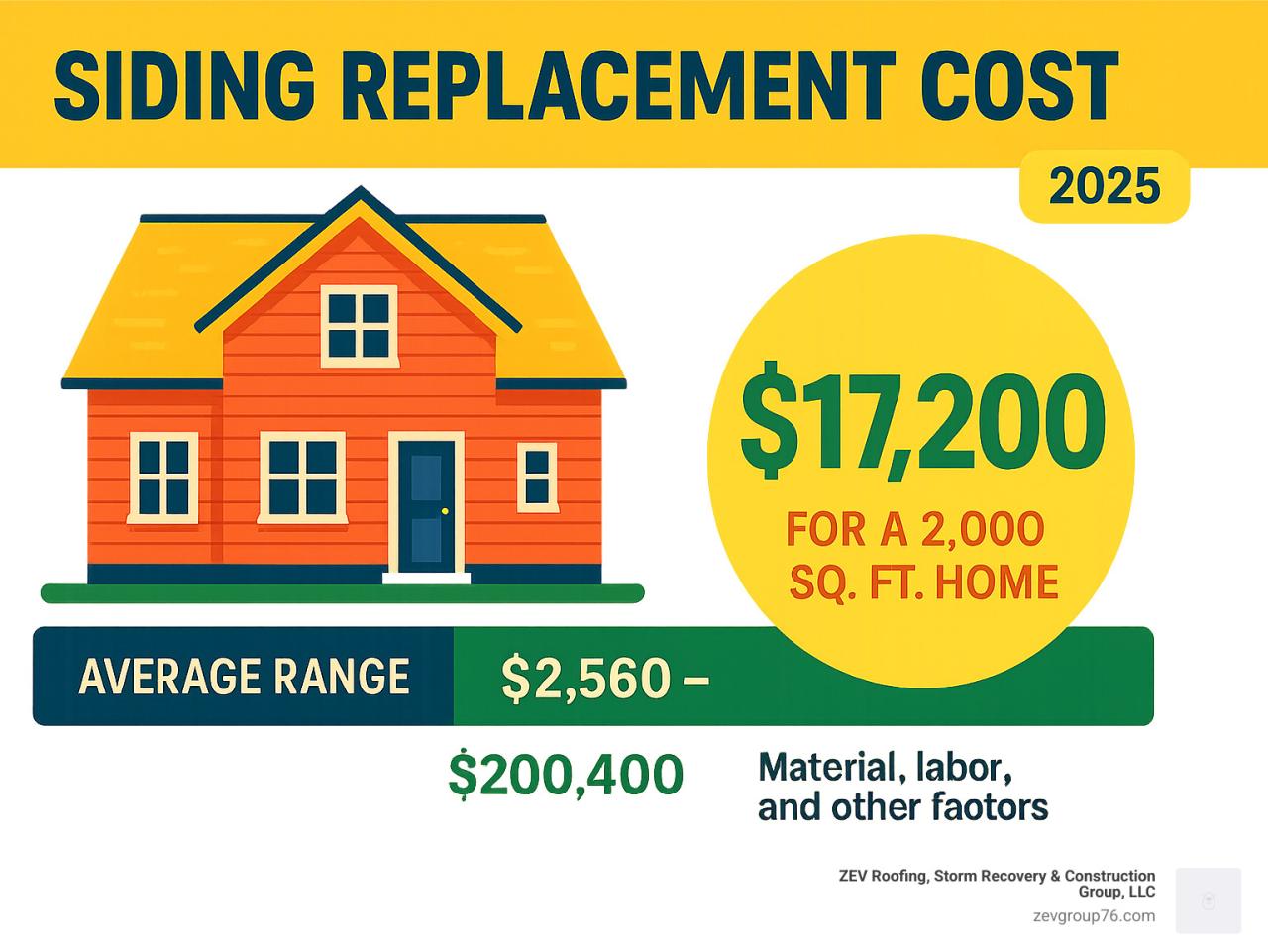
When it comes to the cost of siding replacement, the size of a home plays a significant role in determining the overall expenses. Larger homes typically require more materials and labor, resulting in higher replacement costs compared to smaller homes.
For small homes, which are usually around 1,000 square feet, the average cost of siding replacement ranges from $3,000 to $7,000. These homes require less material and labor, making the overall cost relatively lower compared to medium and large homes.
Medium-sized homes, ranging from 1,500 to 2,000 square feet, have an average siding replacement cost of $6,000 to $15,000. These homes fall in between small and large homes in terms of material and labor requirements, resulting in a moderate cost range.
Large homes, typically over 2,500 square feet, have the highest siding replacement costs, ranging from $10,000 to $25,000 or more. The sheer size of these homes means more materials are needed, along with additional labor hours, contributing to the higher overall expenses.
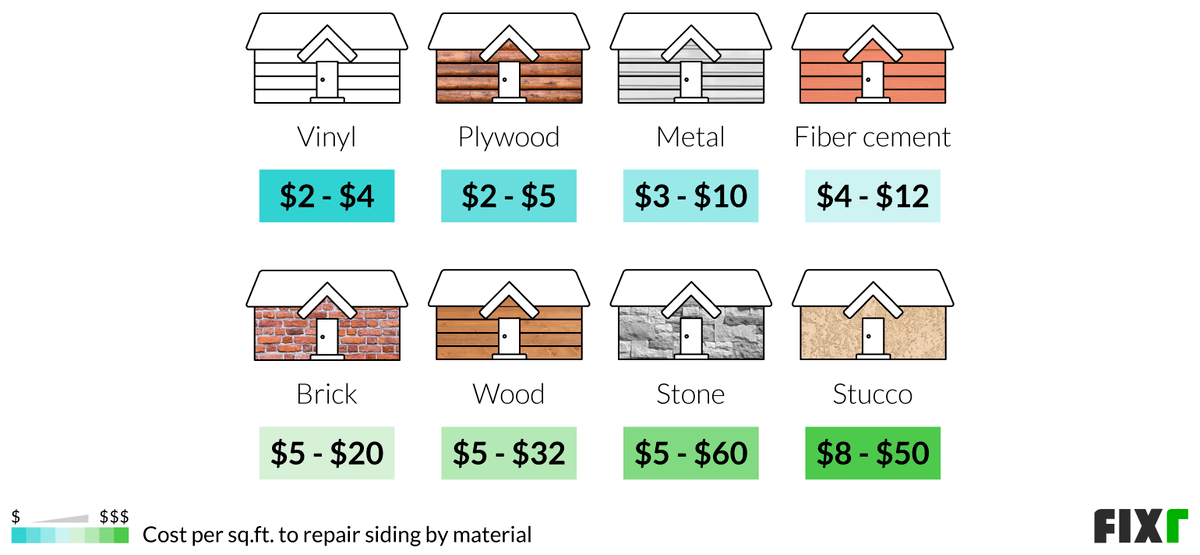
When it comes to siding replacement, choosing the right material is crucial as it can significantly impact the overall cost of the project. Let’s compare the costs of different siding materials such as vinyl, wood, fiber cement, and metal, and discuss their pros and cons in relation to cost-effectiveness.
Vinyl siding is one of the most popular and budget-friendly options for homeowners. It is durable, low-maintenance, and comes in a variety of colors and styles. The cost of vinyl siding typically ranges from $2 to $7 per square foot, making it an affordable choice for many.
Wood siding offers a natural and timeless look to a home but requires more maintenance compared to other materials. The cost of wood siding can vary widely, ranging from $6 to $12 per square foot. While it may be more expensive upfront, the aesthetic appeal of wood siding can add value to your home.
Fiber cement siding is known for its durability and resistance to rot, fire, and insects. It is a mid-range option in terms of cost, typically ranging from $5 to $12 per square foot. Although it may require professional installation, fiber cement siding can be a cost-effective choice in the long run due to its longevity.
Metal siding is a durable and low-maintenance option that can provide a modern and sleek look to a home. The cost of metal siding varies depending on the type of metal used, with prices typically ranging from $7 to $15 per square foot.
While it may have a higher upfront cost, metal siding is known for its longevity and weather resistance.
It’s important to consider not only the initial cost but also the long-term maintenance and durability of the siding material when making your decision.
When budgeting for siding replacement, it’s crucial to consider potential additional costs that can impact the overall expenses. These extra expenses can include labor, permits, disposal of old siding, and other unforeseen charges that may arise during the project.
One of the significant additional costs to consider is labor. Hiring professionals to install the new siding can significantly increase the overall cost of the project. Labor costs can vary depending on the complexity of the job, the size of the home, and the contractor’s hourly rates.
Before starting the siding replacement project, homeowners may need to obtain permits from their local municipality. Permit fees can add to the total cost of the project. The cost of permits varies depending on the location and the type of siding being installed.
Disposing of the old siding can also incur additional costs. Homeowners may need to pay for the removal and disposal of the existing siding, especially if it contains hazardous materials like asbestos. The cost of disposal can vary depending on the amount of waste and the disposal method required.
What factors influence the cost of siding replacement?
Factors such as material quality, home size, and labor costs can impact the overall cost of siding replacement.
Why do larger homes tend to have higher replacement costs?
Larger homes require more materials and labor, leading to higher replacement costs compared to smaller homes.
What are the cost differences between premium and budget-friendly siding materials?
Premium siding materials typically cost more upfront but may require less maintenance in the long run, while budget-friendly options have lower initial costs but may need more upkeep.