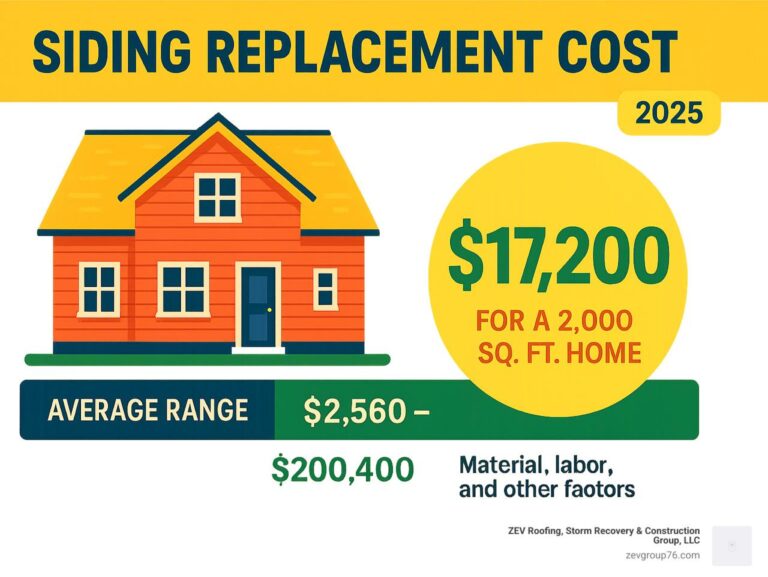
How Much Does It Cost to Reside a House? Materials and Labor Explained
When it comes to building a house, choosing the right materials is crucial for the overall quality and longevity of the structure. From the foundation to the roof, each part of the house requires specific materials to ensure durability and stability.
Choosing durable materials may require a higher initial investment, but it can lead to long-term cost savings. By investing in quality materials that require less maintenance and replacements, homeowners can avoid frequent repair costs and ensure the longevity of their house.
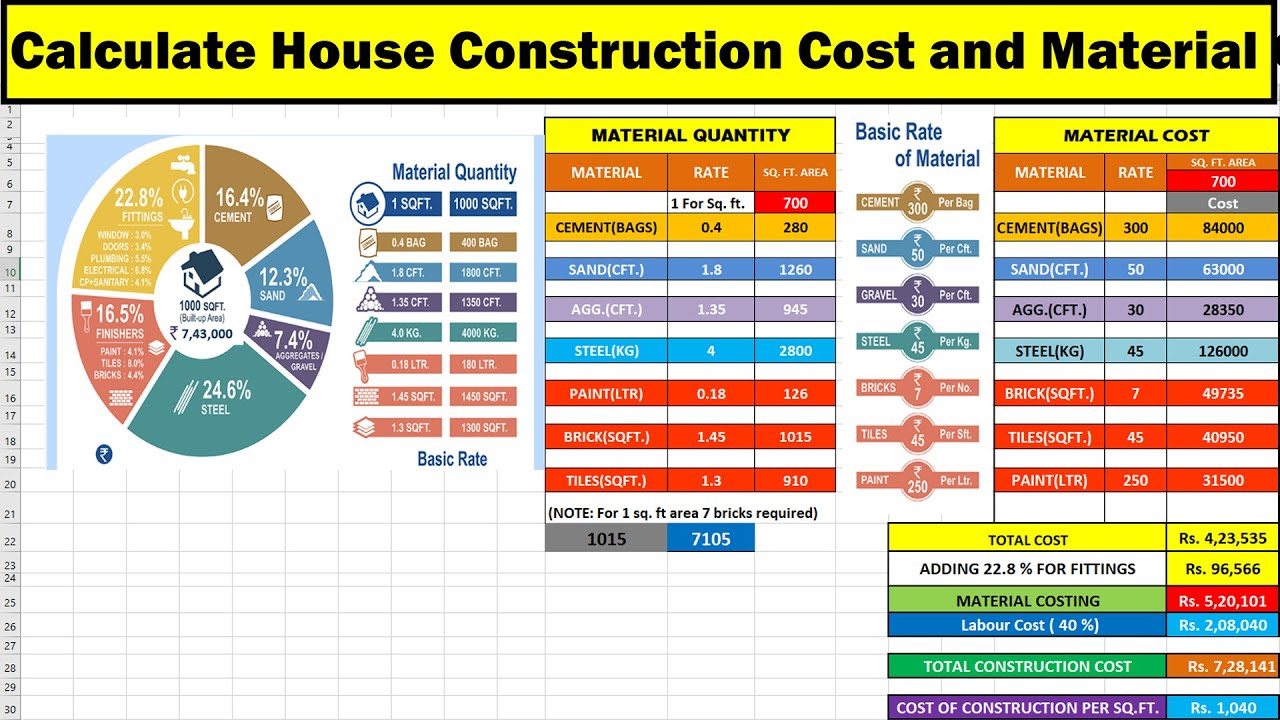
When it comes to the cost breakdown of house construction, it’s important to differentiate between labor and materials. Labor costs refer to the expenses associated with hiring workers to build the house, while material costs include the prices of all the necessary building supplies.Labor costs are calculated based on various factors, such as the skill level and experience of the workers.
Highly skilled and experienced laborers typically demand higher wages, which can significantly impact the overall cost of construction. Additionally, labor costs may also vary depending on the complexity of the project and the location of the construction site.On the other hand, material costs can vary based on the quality, quantity, and market conditions.
High-quality materials tend to be more expensive but can result in a more durable and aesthetically pleasing final product. The quantity of materials needed for the project also plays a crucial role in determining the overall cost. Moreover, market conditions, such as supply and demand dynamics, can influence the prices of building materials.
Labor costs in house construction can be influenced by several key factors, including:
Material costs in house construction can be affected by various factors, such as:
When it comes to building a house, there are several factors that can significantly impact the overall construction costs. These factors range from location and size of the house to design complexity, permits, and even market trends and economic conditions.
Understanding these influences is crucial for anyone planning a construction project.
The location of a house plays a vital role in determining construction costs. Urban areas typically have higher labor and material costs compared to rural areas. Additionally, accessibility to the construction site, local building codes, and availability of skilled labor can also affect costs.
The size of the house is a major factor in determining construction costs. Larger houses require more materials and labor, leading to higher overall expenses. Factors such as the number of rooms, bathrooms, and floors all contribute to the final cost of construction.
The complexity of the house design can also impact construction costs. Unique architectural features, intricate layouts, and customizations will require more time and specialized labor, increasing the overall expenses. Simple and straightforward designs are generally more cost-effective.
Obtaining permits and complying with building regulations can add to the construction costs. Fees for permits, inspections, and ensuring compliance with local codes and standards are essential expenses that need to be factored into the overall budget.
Market trends and economic conditions can also influence material and labor prices. Fluctuations in the cost of raw materials, availability of skilled labor, and overall economic stability can impact construction costs. Keeping an eye on these trends can help in budgeting effectively for a construction project.
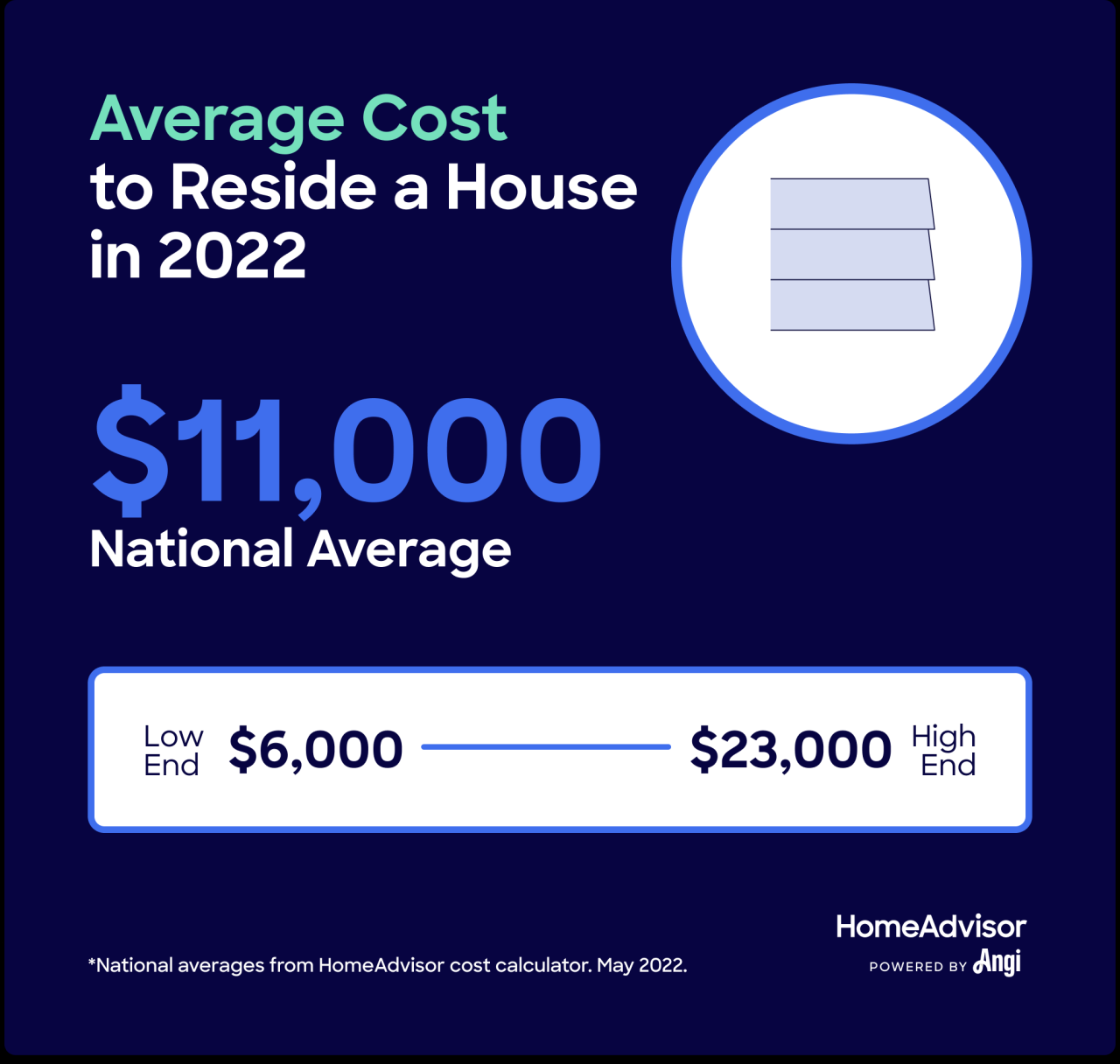
Planning and budgeting are crucial when it comes to cost-effective house construction. By strategizing and negotiating smartly, you can reduce construction costs without compromising on quality.
Proper planning and budgeting can help you avoid unexpected expenses during the construction process. By creating a detailed plan and sticking to a set budget, you can ensure that you stay on track financially and avoid any costly surprises along the way.
What factors influence the cost of house construction?
Factors such as location, size, design complexity, and market trends can significantly impact construction costs.
How can one reduce construction costs without compromising quality?
Effective planning, budgeting, and negotiation with contractors and suppliers can help reduce costs while maintaining quality.
Why is it important to choose durable materials for house construction?
Selecting durable materials ensures long-term cost savings by reducing the need for frequent repairs or replacements.